

Înțelegerea supapelor pneumatice cu bilă și aplicațiile lor
Vane pneumatice cu bilă sunt componente esențiale în sistemele moderne de control al fluidelor industriale. Spre deosebire de supapele manuale, aceste supape sunt acționate cu aer comprimat, ceea ce permite un control rapid și precis al fluxului de fluid. Sunt utilizate pe scară largă în industrii precum procesarea chimică, tratarea apei, produsele alimentare și băuturile și sistemele HVAC datorită fiabilității și capacităților lor de automatizare.
O supapă pneumatică cu bilă constă dintr-o unitate de închidere sferică, cunoscută sub numele de bilă, care se rotește pentru a permite sau bloca fluxul de lichide sau gaze. Atunci când este asociată cu un actuator pneumatic, supapa poate fi deschisă sau închisă de la distanță, reducând intervenția manuală și îmbunătățind eficiența operațională.
Tipuri de supape pneumatice cu bilă
Există mai multe tipuri de supape pneumatice cu bilă, fiecare potrivită pentru aplicații specifice. Selectarea tipului corect asigură performanță și longevitate optime.
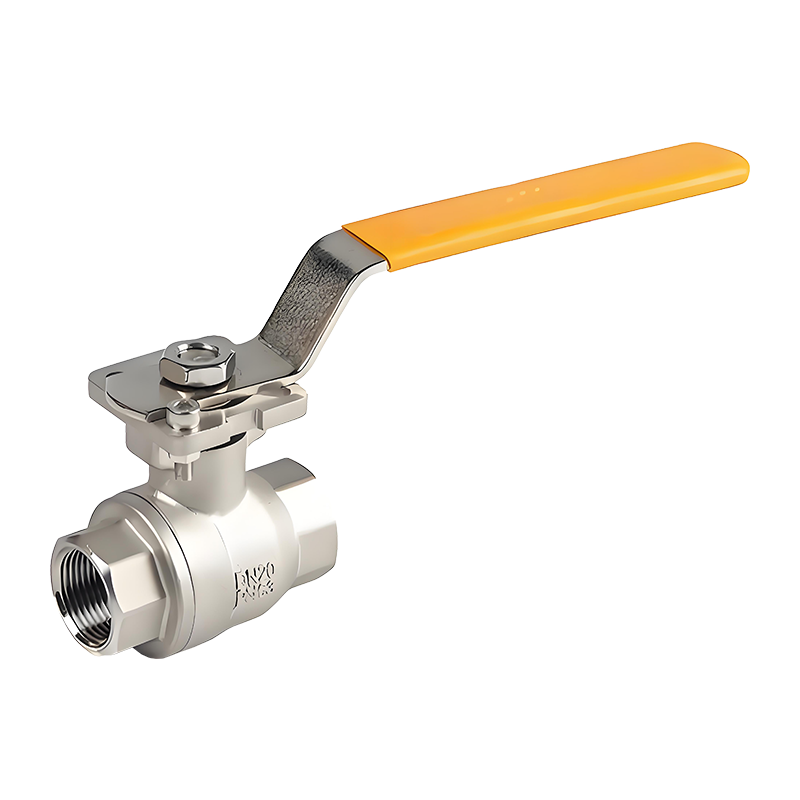
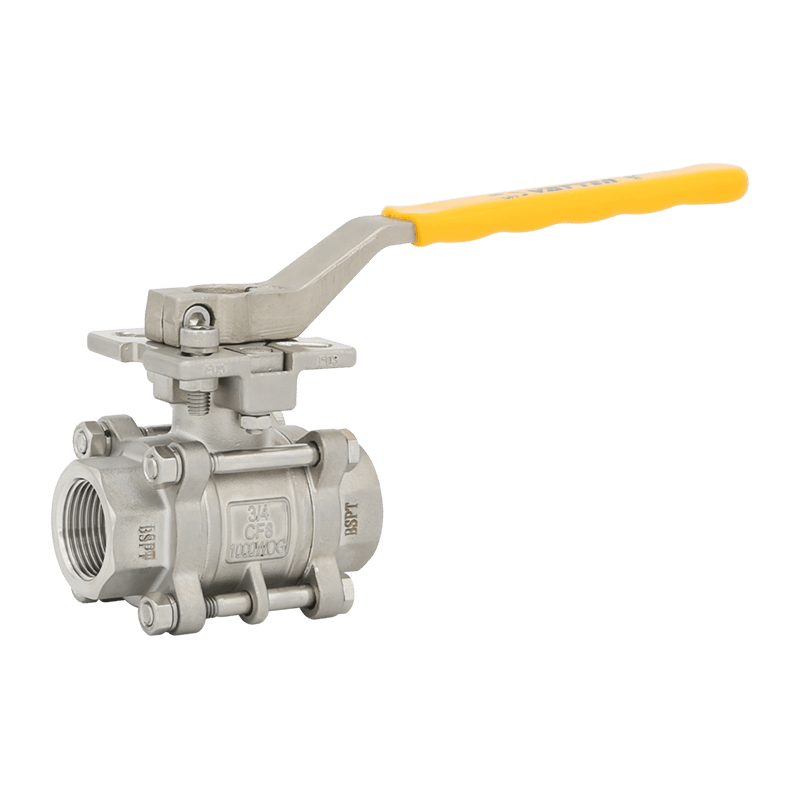
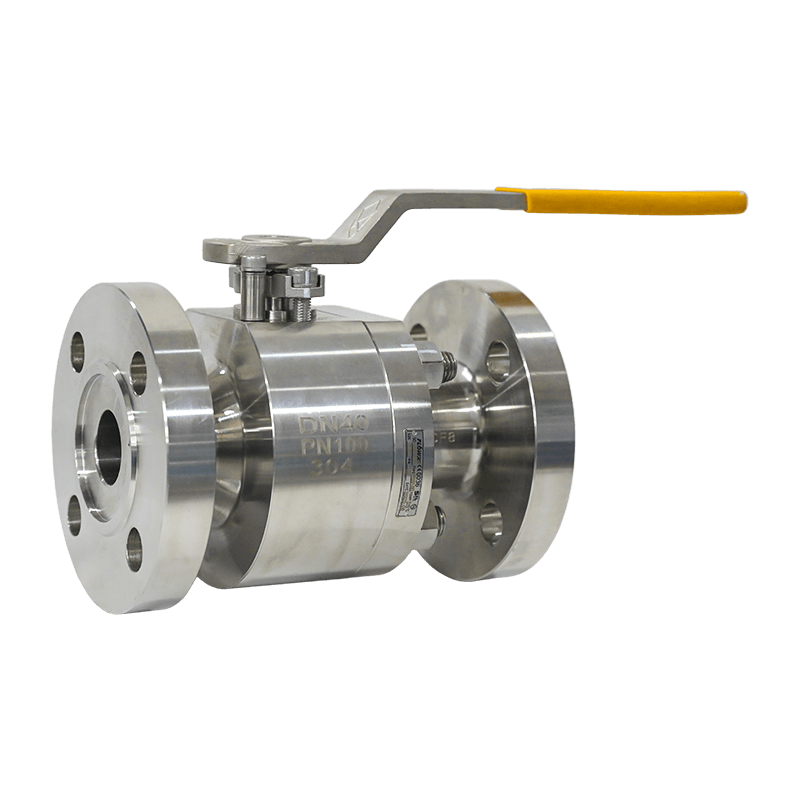
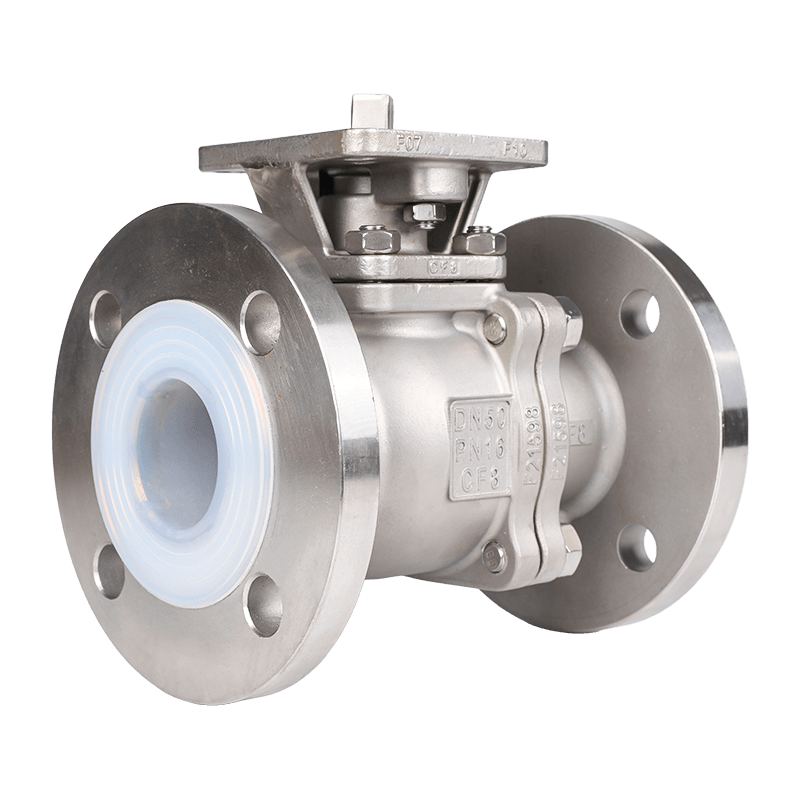
Supape cu bilă pneumatice cu două căi
Cel mai comun tip, supape cu două căi, au o intrare și o ieșire. Sunt ideale pentru controlul simplu al debitului pornit/oprit. Aceste supape sunt compacte și pot face față variațiilor de presiune și temperatură ridicate.
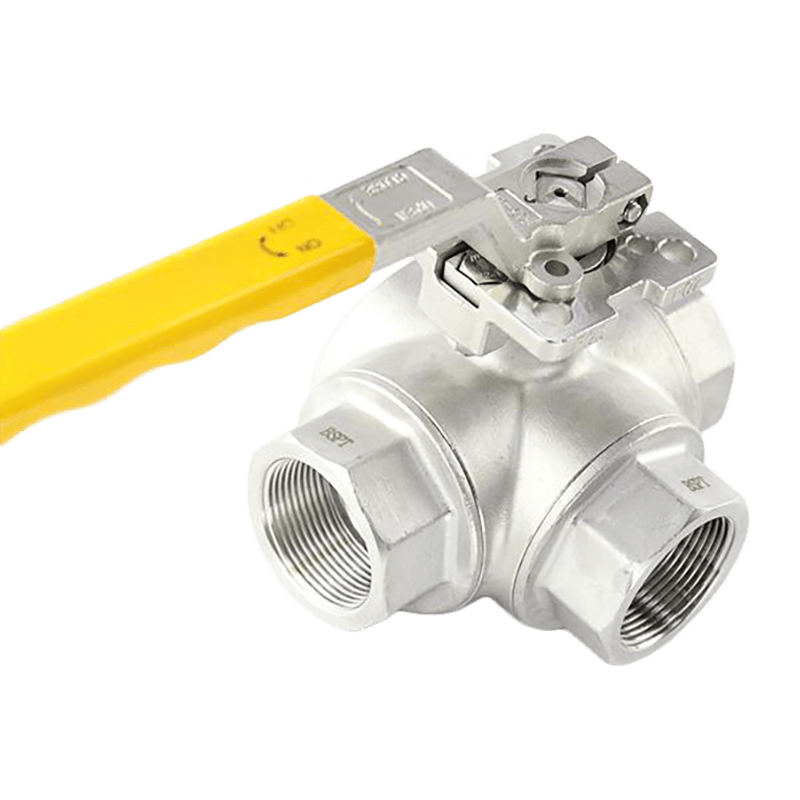
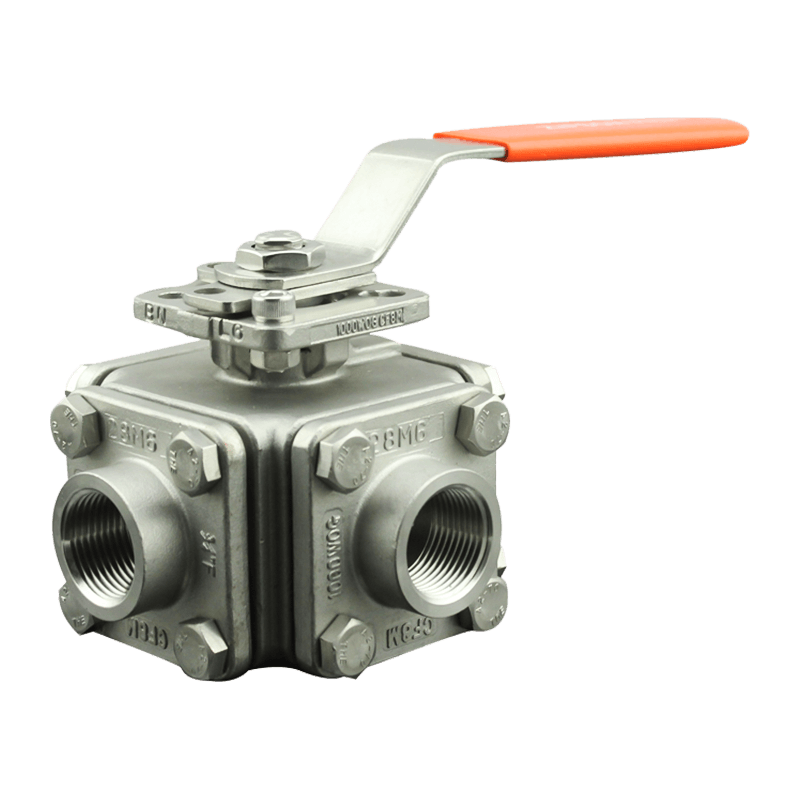
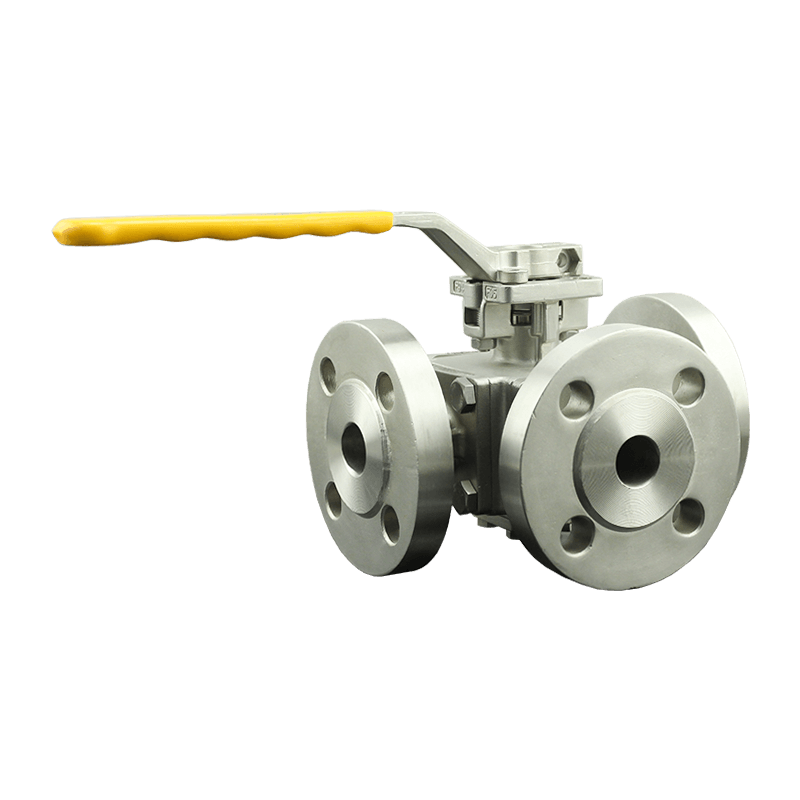
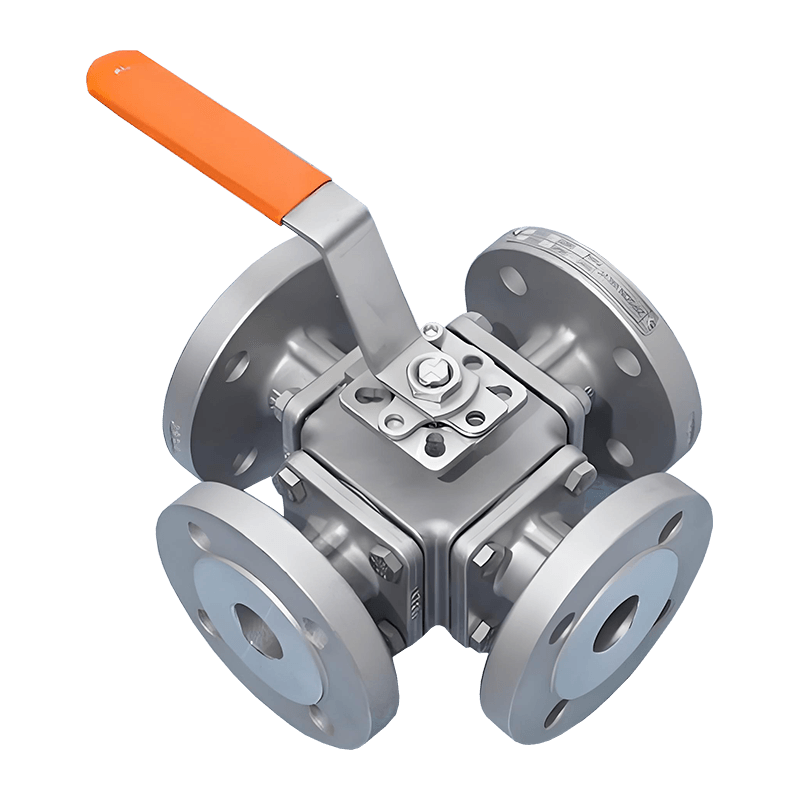
Supape cu bilă pneumatice cu trei căi
Supapele cu trei căi au o intrare și două ieșiri (sau invers), permițând devierea sau amestecarea debitului. Ele sunt utilizate în mod obișnuit în aplicații care necesită schimbarea direcției fluidului, cum ar fi sistemele HVAC sau de amestecare chimică.
Supape pneumatice cu bilă V-Port
Supapele cu bilă cu port în V au o bilă în formă de V care oferă un control mai bun al debitului și o capacitate de reglare. Acestea sunt foarte utile în aplicațiile care necesită o reglare precisă a debitului, mai degrabă decât doar controlul pornit/oprit.
Cele mai bune practici de instalare
Instalarea corectă a supapelor pneumatice cu bilă asigură fiabilitatea pe termen lung și evită problemele de funcționare. Urmând aceste bune practici se va optimiza performanța supapei:
- Verificați compatibilitatea dintre materialele supapei și tipul de fluid.
- Asigurați-vă că conducta este liberă de resturi înainte de instalare.
- Aliniați supapa în mod corespunzător cu conducta pentru a evita stresul asupra actuatorului.
- Instalați supape de izolare în amonte și în aval pentru confortul întreținerii.
- Verificați că servomotorul este alimentat cu presiunea de aer și tipul de semnal corecte.
Funcționarea și controlul supapelor pneumatice cu bilă
Supapele pneumatice cu bilă funcționează folosind aer comprimat, care activează actuatorul intern pentru a roti bila supapei. Există două tipuri principale de actuatoare:
Actuatori cu simpla actiune
Aceste actuatoare folosesc presiunea aerului pentru a deschide supapa și un arc pentru a o închide. Actuatoarele cu acțiune simplă sunt simple, fiabile și sigure în situații de pierdere a puterii, deoarece nu ajung într-o poziție predeterminată.
Actuatori cu actiune dubla
Actuatoarele cu dublă acțiune folosesc presiunea aerului atât pentru deschidere, cât și pentru închidere. Acestea oferă o funcționare mai rapidă și un control precis, dar necesită alimentare continuă cu aer pentru ambele mișcări.
Controlul automatizat poate fi integrat cu PLC-uri sau panouri de control, permițând monitorizarea de la distanță și automatizarea avansată a procesului. Combinarea unei supape pneumatice cu bilă cu poziționare sau supape solenoide îmbunătățește timpii de răspuns și reduce erorile umane în sistemele industriale.
Întreținere și depanare
Întreținerea regulată asigură că supapele pneumatice cu bilă rămân fiabile și reduce timpul de nefuncționare. Pașii cheie includ:
- Inspectați supapa pentru scurgeri, coroziune sau uzură a bilei și a scaunului.
- Verificați performanța actuatorului, inclusiv alimentarea cu aer și timpul de răspuns.
- Lubrifiați piesele în mișcare dacă este necesar de recomandările producătorului.
- Testați periodic supapa atât în poziție deschisă, cât și în poziție închisă.
Problemele comune de depanare includ:
| Problemă | Cauza | Soluție |
| Supapa nu se deschide | Presiune insuficientă a aerului | Verificați alimentarea cu aer și conexiunile |
| Scurgeri la scaun | Mingea sau scaunul uzat | Înlocuiți bila și scaunul |
| Funcționare lentă | Servomotor sau conducte murdare | Curățați actuatorul și conductele |
Selectarea supapei pneumatice cu bilă potrivite pentru sistemul dvs
Atunci când alegeți o supapă pneumatică cu bilă, luați în considerare următorii factori pentru a asigura o performanță optimă:
- Tipul de fluid (apă, substanțe chimice, gaz) și proprietățile acestuia.
- Cerințe de temperatură și presiune de funcționare.
- Dimensiunea supapei și capacitatea debitului.
- Tipul de acționare și metoda de control.
- Compatibilitate cu materialele pentru rezistență la coroziune și durabilitate.
Alegerea unei supape care îndeplinește atât cerințele tehnice, cât și standardele industriale asigură o funcționare sigură, fiabilă și de lungă durată.
Concluzie
Vanele pneumatice cu bilă sunt soluții versatile și eficiente pentru controlul automat al fluidelor în sistemele industriale. Înțelegând tipurile, procedurile de instalare, mecanismele de funcționare și practicile de întreținere ale acestora, operatorii pot obține performanțe fiabile și pot prelungi durata de viață a supapelor. Selecția corespunzătoare și verificările de rutină vor minimiza timpul de nefuncționare, vor reduce costurile de întreținere și vor îmbunătăți eficiența generală a sistemului.